
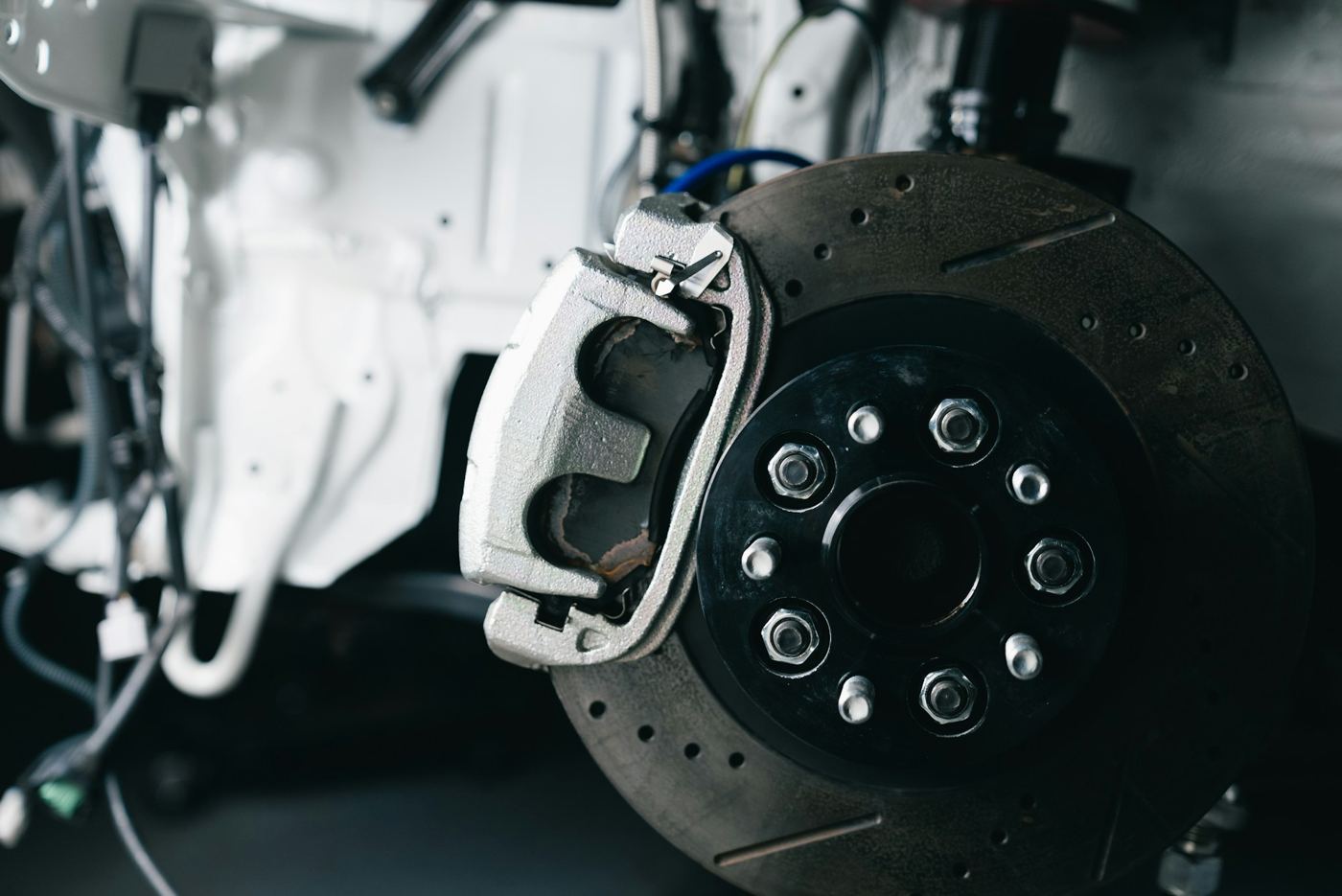
Las Vegas is known for heat, but anyone who drives to work in Centennial Hills or northwest Las Vegas on a winter morning knows the desert gets cold too. Those chilly starts can change how your brakes sound and feel for the first few stops. Some of that is normal. Some of it is your car asking for attention. This guide covers the difference, what to watch for, and when to search "brake repair near me" and get them looked at.
Why brakes act differently on cold mornings
Your brakes work by squeezing pads against rotors and turning motion into heat. Temperature affects every part of that system, and a cold, damp morning after a warm afternoon can bring out sounds and feelings you don't notice the rest of the day.
Here is what is often behind it:
- Surface rust on the rotors. Overnight moisture or a car wash can leave a thin layer of rust on bare metal rotors. The first few stops scrub it off, sometimes with a scraping or squeaking sound.
- Stiffer rubber parts. Brake hoses and seals work best when they are flexible. In Las Vegas, heat and strong sun dry out and crack rubber faster than in milder climates, and cold mornings make worn rubber even less forgiving.
- Old brake fluid. Brake fluid absorbs moisture over time. That moisture lowers its boiling point in summer and can make the pedal feel different as temperatures swing.
- Worn pads. Pads that are already thin tend to make more noise when they are cold.
Normal cold-morning noise vs. a real problem
A light scraping sound for the first stop or two that goes away once the brakes warm up is usually surface rust coming off. That alone is not a reason to panic.
These signs are different. They point to a problem that should be checked:
- Squealing or squeaking that sticks around after the first few stops. Many pads have a small wear indicator that squeals when they are getting thin.
- Grinding or metal-on-metal noise. This usually means the pad material is gone and metal is hitting the rotor. Get it checked right away.
- A pulsating or shaking pedal, or a steering wheel that shakes when you stop. This often points to uneven or worn rotors.
- The car pulls to one side when braking. A sticking caliper, a collapsed hose, or uneven pad wear can all cause it.
- A soft, spongy, or low pedal. This can mean air or moisture in the brake fluid, or a leak. Treat it as urgent.
- A brake or ABS warning light on the dash.
- A burning smell after normal driving, which can come from a dragging brake.
If your pedal goes soft or sinks to the floor, don't keep driving. Pull over somewhere safe and call us at 725-281-7944.
Why Las Vegas is hard on brakes all year
Cold mornings get attention because the sounds are easy to notice, but the bigger wear happens the rest of the year:
- Stop-and-go traffic. Constant braking on hot pavement keeps pads and rotors running hot, which wears them faster and can warp rotors.
- Brake fluid breaks down faster in heat. Old fluid boils at a lower temperature, and when it boils you can get a soft pedal and less stopping power right when you need it.
- Rubber parts dry out in the sun and heat.
- Desert dust gets into the brake system along with everything else.
That mix means brakes that were fine last year may not be fine now. If you can't remember your last inspection, it is worth getting one.
Brake pads replacement near me: what to expect
If you are searching "brake pads replacement near me" or "car brakes near me," you probably want to know what happens after you drop the car off. At Ortiz Auto Solutions, every brake job starts with an inspection so we fix what actually needs fixing. That inspection covers the pads, rotors, calipers, hoses, lines, and fluid.
Depending on what we find, brake work at our shop can include:
- Brake pad replacement
- Brake rotor replacement
- Brake shoe replacement and drum brake service for vehicles with rear drums
- Brake fluid flush
- ABS diagnosis and repair
We'll explain the difference between OEM and aftermarket parts and recommend what makes sense for your vehicle and budget.
How pricing works
Brake costs depend on your vehicle and what it needs, so we don't guess over the phone. You will always get a written estimate before any work begins. You will know what we are doing, why, and what it costs. No surprises. We also stand behind our work. Warranty terms depend on the repair and parts used, and we lay them out clearly before we start.
What to tell us when you bring it in
The more you can describe, the faster we can narrow it down. Before your visit, notice:
- When the noise happens. Only on the first few cold stops, or all day?
- What it sounds like. A squeal, a grind, a click, or a scrape.
- What the pedal feels like. Firm, soft, pulsing, or lower than usual.
- Whether the car pulls to one side when you brake.
- Any warning lights on the dash.
Those details, along with a full inspection, help us find the real cause quickly.
Simple habits that help your brakes last
- Don't ignore new noises. Squealing pads are cheaper to deal with than grinding pads that have damaged a rotor.
- Leave more following distance in stop-and-go traffic so you brake more gently.
- Have your brake fluid checked. Heat speeds up its breakdown here.
- Get an inspection if the car pulls, shakes, or the pedal feels different.
Brake repair in Las Vegas, close to Centennial Hills
If you need brake repair in Las Vegas and live or work in northwest Las Vegas or Centennial Hills, our shop is close by. We are at 4461 N Decatur Blvd #110, just north of Craig Road, right at the North Las Vegas city line, inside the LongLife Complete Autocare shop. We work on all makes and models, foreign and domestic. If you have been looking for a mechanic in northwest Las Vegas who explains things in plain language, give us a try.
We are open Monday through Friday, 8 to 5, and Saturday by appointment. Book online, call 725-281-7944, or contact us with questions.
Brakes Feel or Sound Different?
We'll inspect the whole system and give you a written estimate before any work begins.
Book an Appointment → Call 725-281-7944